Invited Panelists
Ali Atabey
Ali Atabey is an assistant professor of history at the University of Texas at San Antonio. He earned his PhD from the University of Arizona in 2019. His research focuses on early modern Ottoman and Mediterranean histories. He specializes in the social and legal histories of the Ottoman Empire, with particular emphasis on religion, identity, and urban space. He has published on various topics, including piracy, captivity, slavery, and women in Ottoman legal culture. Currently, he is working on a monograph tentatively titled Boundaries Drawn and Crossed: Negotiating Identity, Religion, and Space in Seventeenth-Century Istanbul.
Divya Cherian
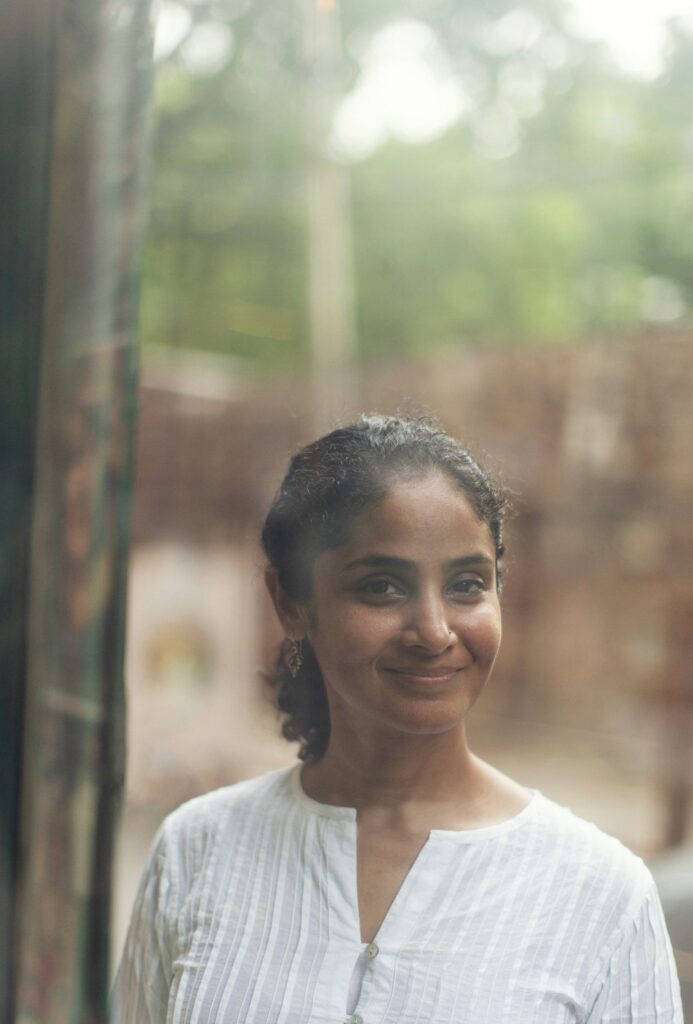
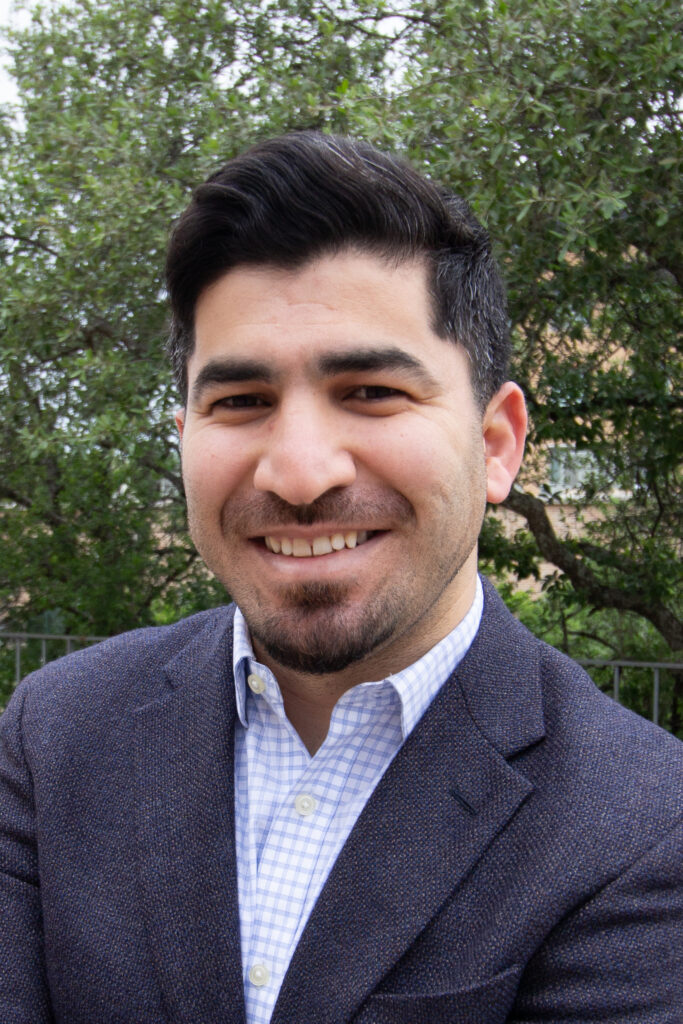
Divya Cherian is an Associate Professor at the Department of History at Princeton. She grew up in New Delhi, India, where she earned a B.A. in History from the University of Delhi and an M.A. and M.Phil. in medieval and early modern South Asian history from Jawaharlal Nehru University. Her doctoral training was at the Department of History, Columbia University, following which She was a post-doctoral fellow at the Rutgers Center for Historical Analysis, New Brunswick.
Yong Cho
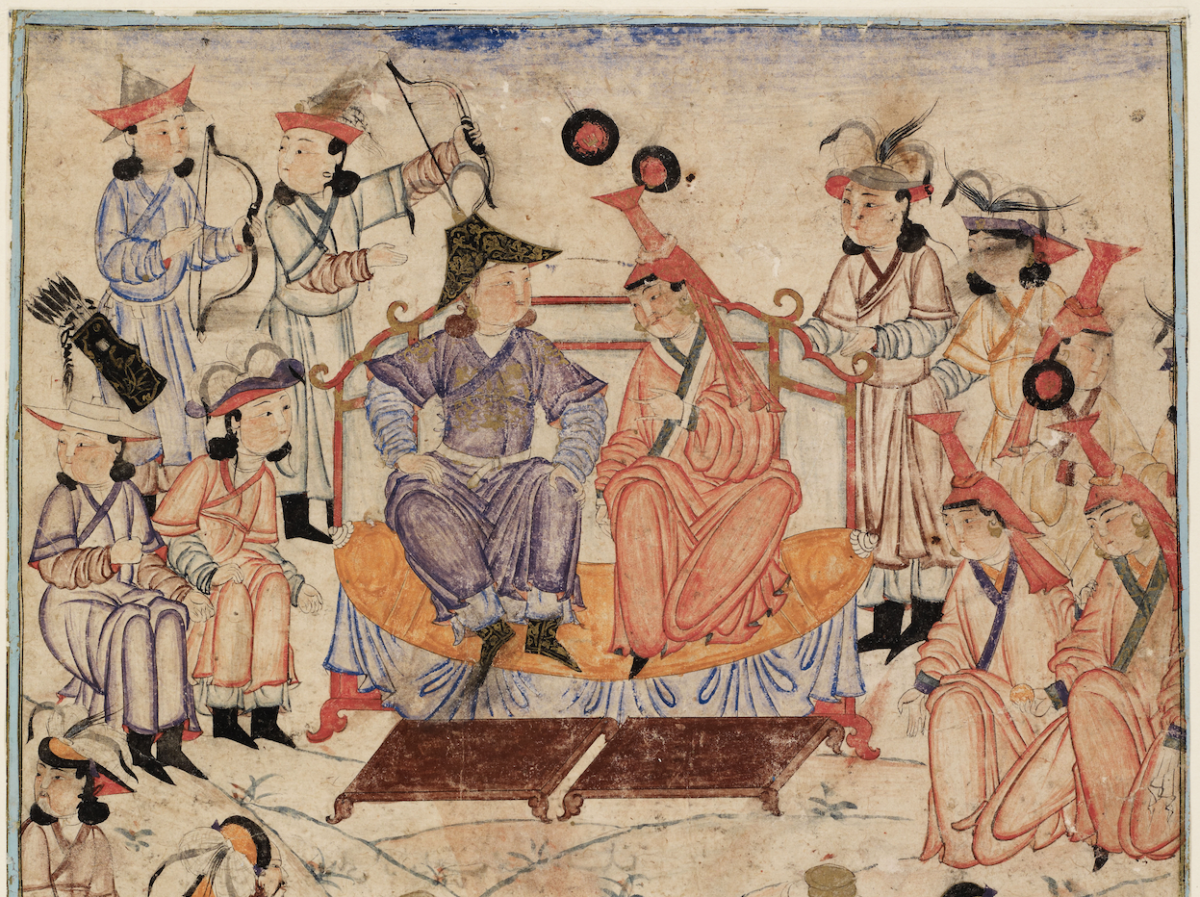
Yong Cho is assistant professor of East Asian art history at the University of California, Riverside. His forthcoming book, The Woven Image: The Making of Mongol Art in the Yuan Empire (under contract, Yale University Press), focuses on fabric images to trace how the Mongol visual culture had a lasting impact in the history of East Asian art during the Yuan period (1271–1368).
Jim Grehan
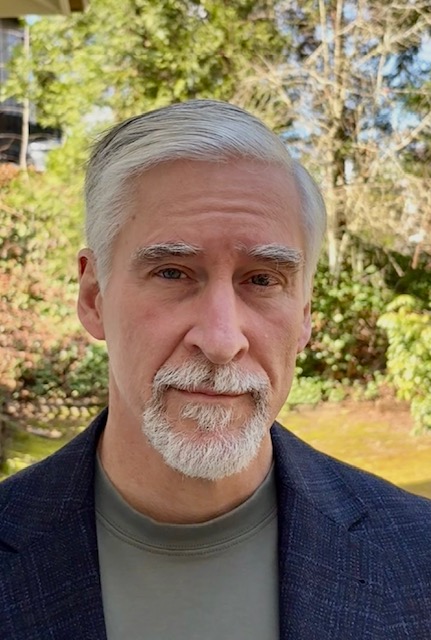
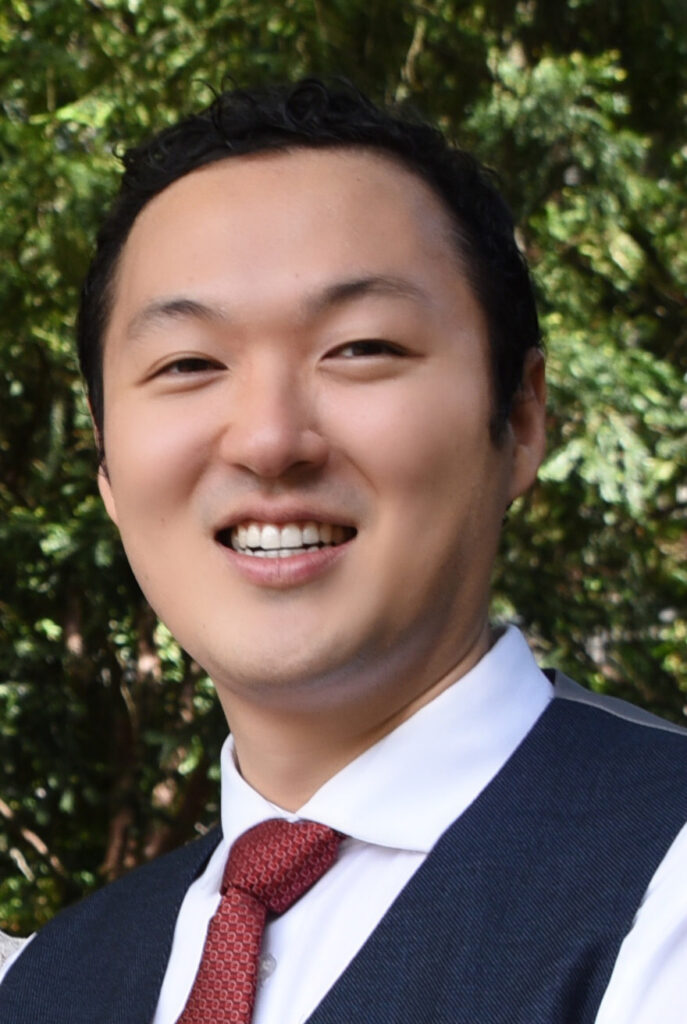
James Grehan is a renowned professor of Ottoman History at Portland State University who specializes in early modern adn modern middle East. Dr Grehan is the author of Twilight of the Saints: Everyday Religion in Ottoman Syria and Palestine (2014) and Everyday Life and Consumer Culture in Eighteenth-Century Damascus (2007).
Anirban Karak
Anirban Karak is a historian of early modern and modern South Asia. He earned his PhD from New York University and he is currently serving as a Collegiate Assistant Professor in the Social Sciences Collegiate Division at The University of Chicago. Anirban’s work has appeared in various academic journals and public fora in both English and Bangla, including The Indian Economic and Social History Review, Modern Asian Studies, Critical Historical Studies, Development and Change, and Nirantar.
He is currently working on his first monograph titled “Caste, Commercial Capitalism, and Subaltern Aspirations in Bengal, c.1550-1859,” which shows how subaltern actors articulated new critiques of caste during a period of major social and political transformation.
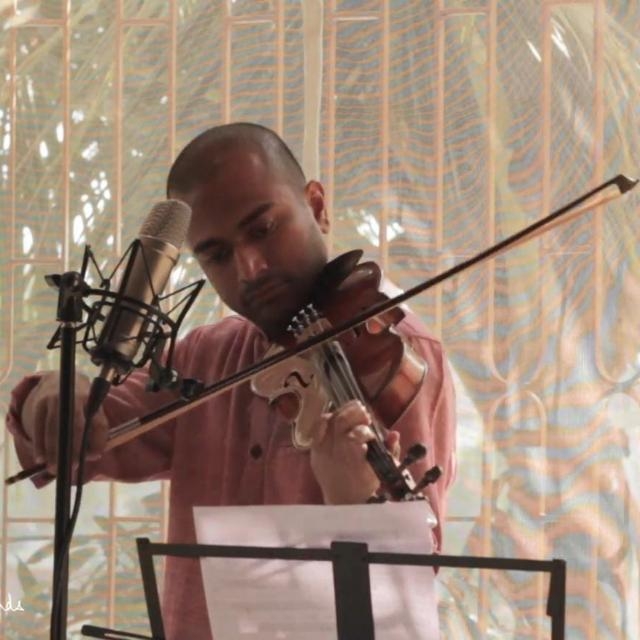
David Porter
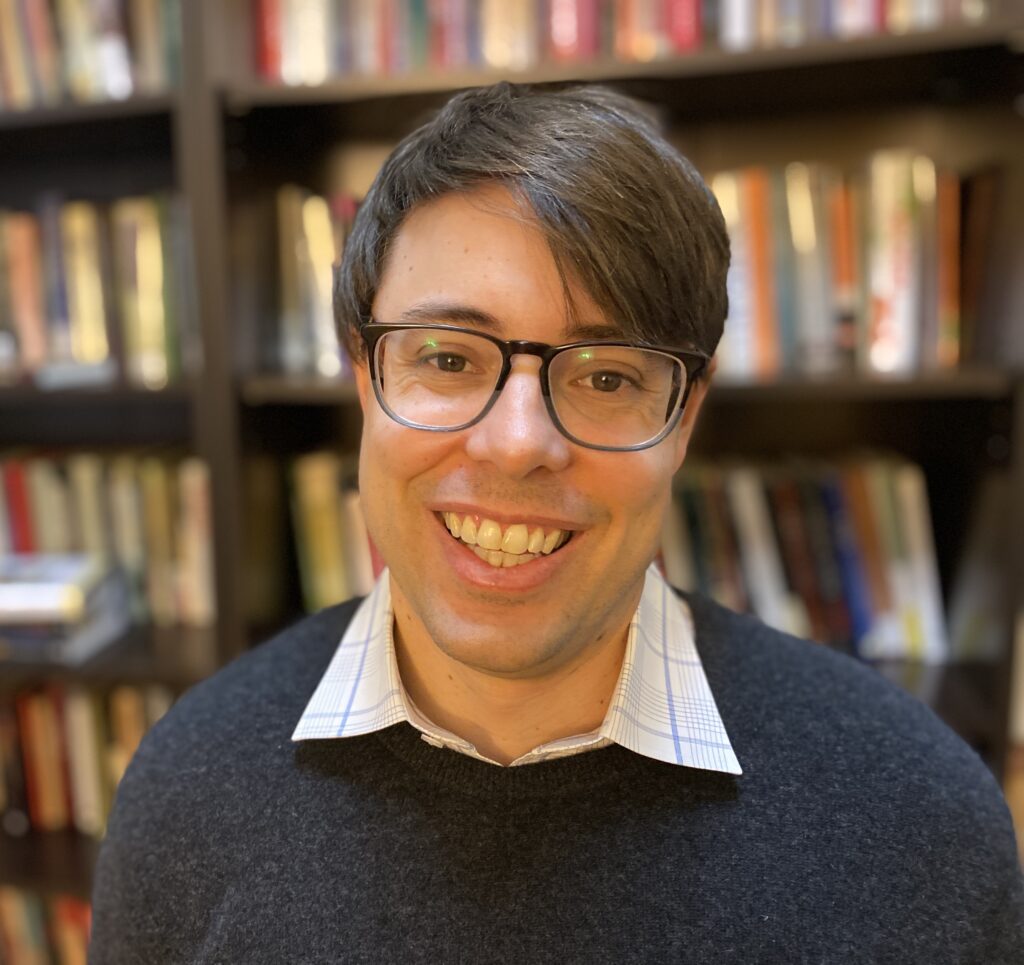
David Porter is Assistant Professor in the Department of East Asian Studies at McGill University. He is a historian of the Qing empire and early Republican China, whose research focuses on questions of empire, identity, and state-making in a global early modern comparative context. His first book, Slaves of the Emperor: Service, Privilege, and Status in the Qing Eight Banners (Columbia, 2024) explores the structure and development of a key component of the Qing elite. He is currently working on a new project dealing with the role of translation and translators in the making of Qing empire.
Fatima Quraishi
Fatima Quraishi is Assistant Professor of Art History, specialising in Islamic visual and material culture at UC Riverside. Her current book manuscript, Palimpsests Past and Present: The Sufis and Sultans of the Makli Necropolis (1380–1660) is an interdisciplinary study of a vast funerary site in the Indus deltaic plain. This work has been supported by fellowships at the Society for the Humanities at Cornell University and the Center for Advanced Study in Visual Art at the National Gallery of Art. She also curated the exhibition, “Paradise on Earth: Manuscripts, Miniatures, and Mendicants from Kashmir,” at the Mohatta Palace Museum in Karachi. Building on her interests on monumental landscape, her new research focuses on mapping practices in the Kashmir valley.
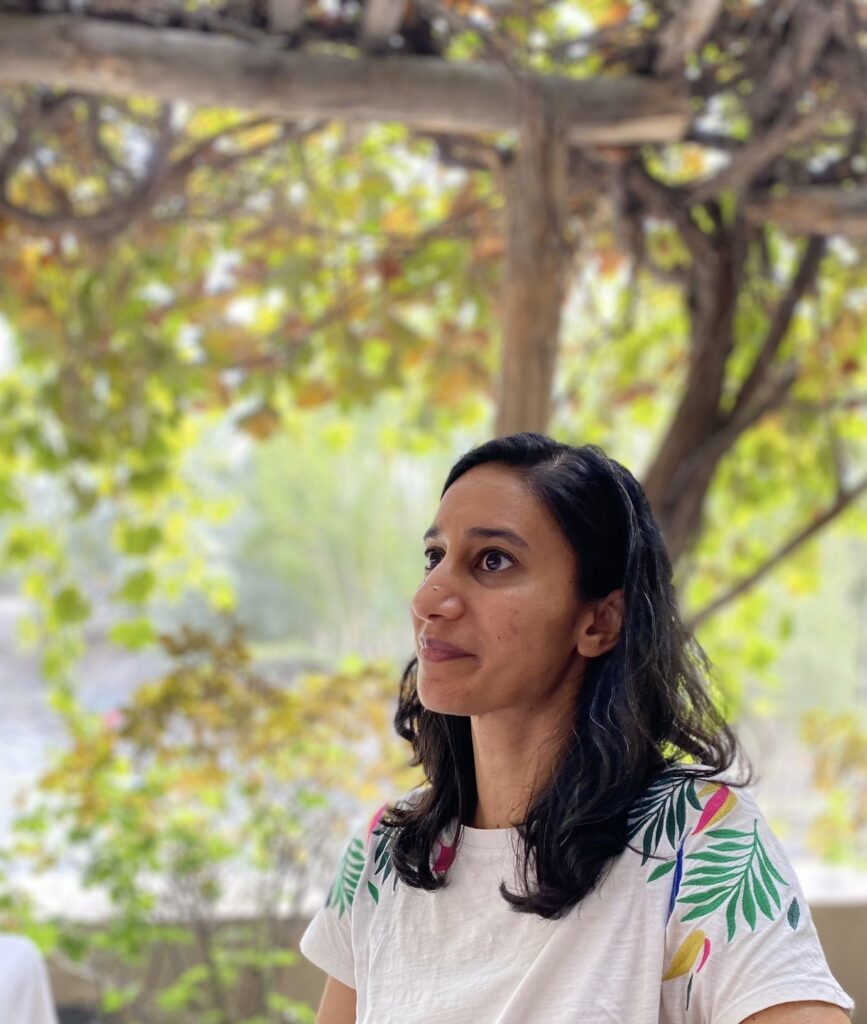
Selin Ünlüönen
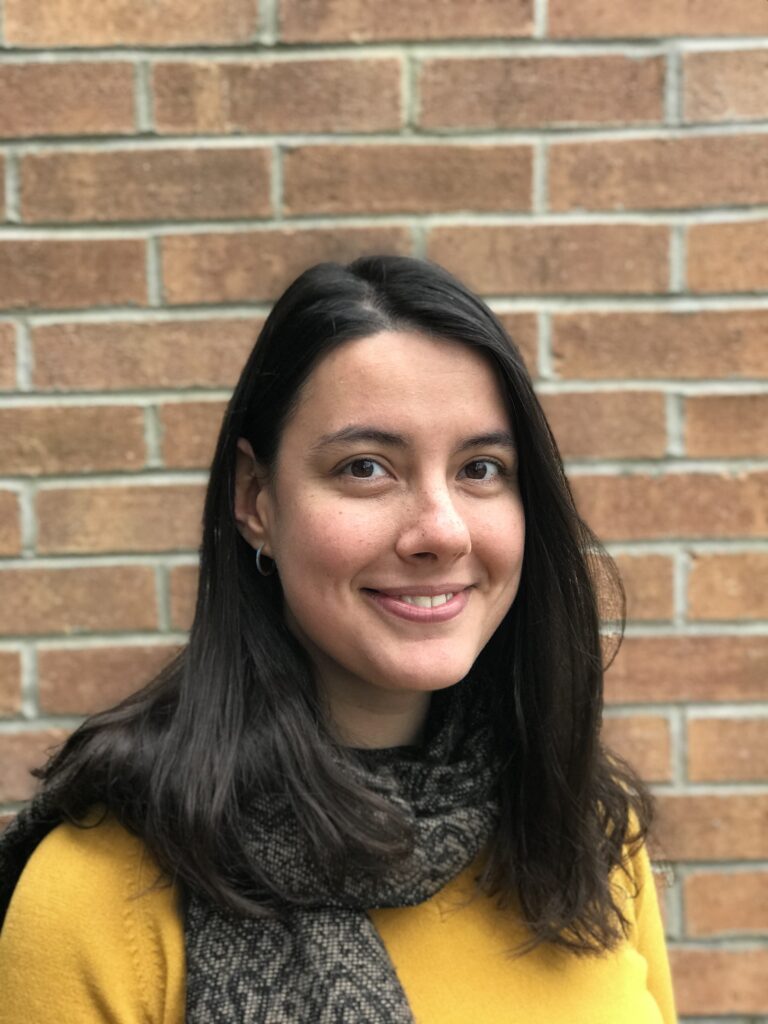
Selin Ünlüönen (Ph.D., Yale University, 2021) is the Sullivan Fellow in the Art History Program at Wesleyan University. She is currently writing a book about how manuscript paintings shaped the court culture of sixteenth-century Iran. Other scholarly interests include Ottoman alphabet books and the representation of epigraphy in Islamic paintings, a theme explored in her article “Between the Artist and the Patron: Painted Inscriptions of the Khamsa of Shah Tahmasb,” included in Inscriptions of the Medieval Islamic World (2023).
Shao-yun Yang
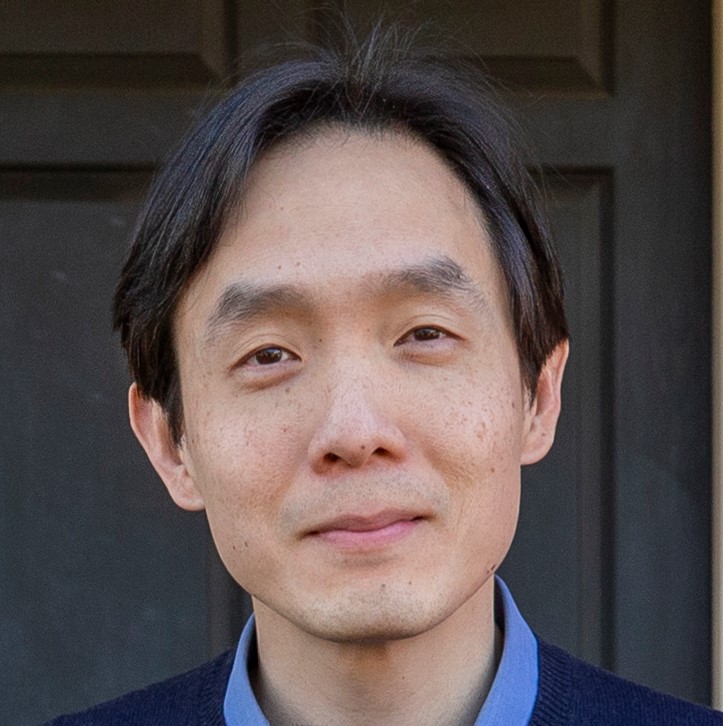
Shao-yun Yang is Associate Professor of History and director of the East Asian Studies program at Denison University. His research interests revolve around the relationship between empire, ethnicity, and Confucian ideology in imperial China; current projects include a monograph on the subject (tentatively titled The Sage and the Central Lands) and an open-access “sourcebook” website with translations of relevant primary sources. His most recent single-authored publications are a series of two Cambridge Elements, Early Tang China and the World and Late Tang China and the World (2023).
Discussants
Andrew Sartori
Andrew Sartori is a historian of South Asia and imperial Britain. His work focuses on the relationship between concept-formation and the social practices associated with modern capitalism. His overarching program of research has been the problem of how people make sense of their own sociality, and he has published on the history of Bengali culturalism, imperial and vernacular languages of property and freedom, the history of economic thought, and global intellectual history. He is co-editor of the journal Critical Historical Studies.
Kevan Harris
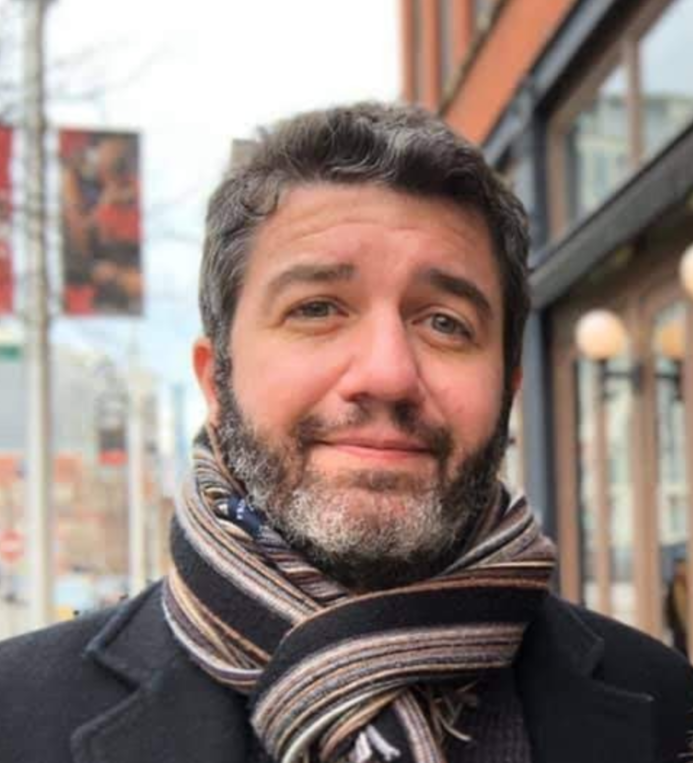
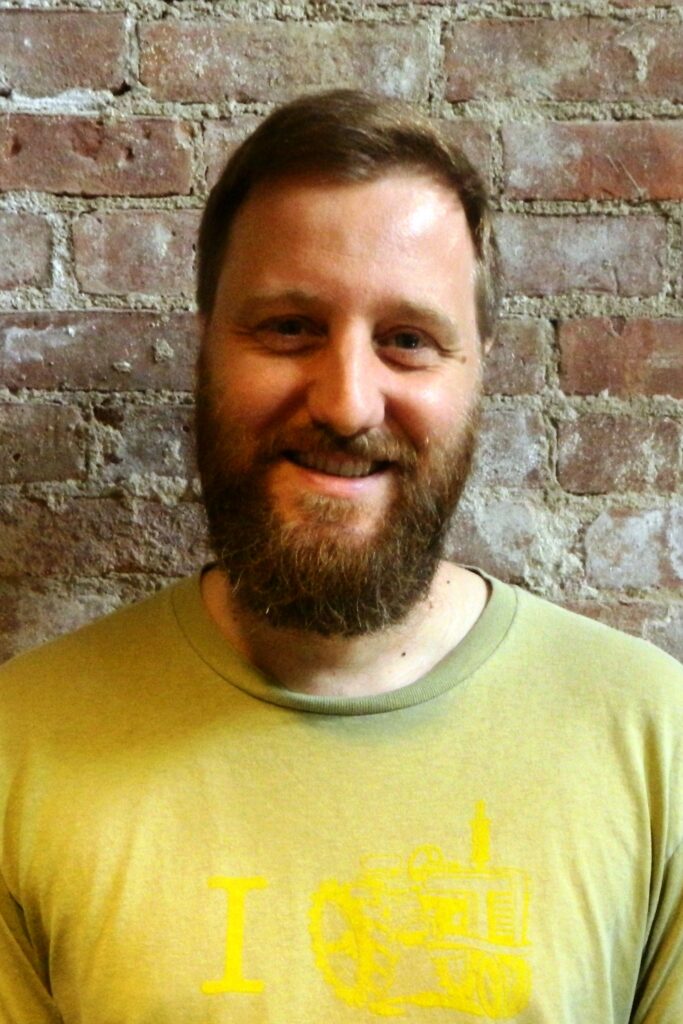
Kevan Harris is an Associate Professor at the Department of Sociology at UCLA. He is a historical sociologist whose research explores development and social change in the global South. His first, A Social Revolution: Politics and the Welfare State in Iran, was published by the University of California Press, with a Persian translation available through Shirazeh Press. His current research examines welfare politics in low and middle-income countries, state formation in West Asia and North Africa, business-state relations in post-revolutionary Iran, and issues surrounding class and social mobility in Iran before and after the revolution of 1979.
Luke Yarbrough
Luke Yarbrough is Associate Professor in the Department of Near Eastern Languages and Cultures at UCLA. His research interests include Islamic law, inter-religious relations, hadith studies, Arabic historiography, premodern state administration, and manuscript studies. His book, Friends of the Emir: Non-Muslim State Officials in Islamic Thought (Cambridge University Press, 2019) documents and attempts to explain what premodern Muslims wrote about the many influential non-Muslims who helped run their governments.

Meng Zhang
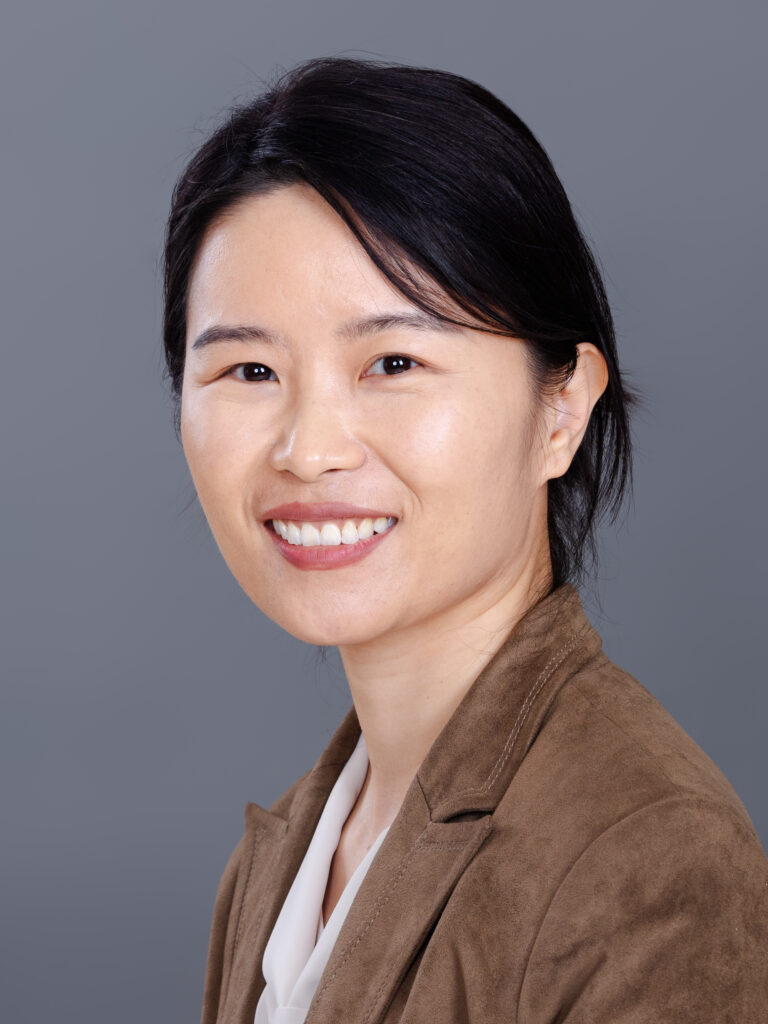
Meng Zhang is Assistant Professor of History at UCLA. She is a historian of late imperial and modern China, focusing on economic and environmental transformation, political economy, and transnational connections in the rise of global capitalism. She has authored Timber and Forestry in Qing China: Sustaining the Market (University of Washington Press, 2021). Her current projects include a social life of edible bird’s nests and a history of debt and empire-making in Qing China.
Organizers
Choon Hwee Koh
KOH Choon Hwee (surname: KOH; given name: Choon Hwee) is Assistant Professor of Ottoman History at the University of California, Los Angeles (UCLA). Her first book, The Sublime Post: How the Ottoman Imperial Post Became a Public Service (Yale University Press, 2024) used the Ottoman relay postal system to examine Ottoman state formation and the empire’s changing social order.
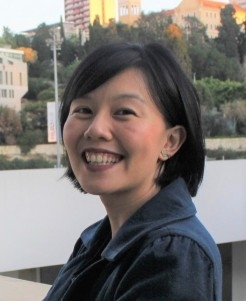
Sixiang Wang
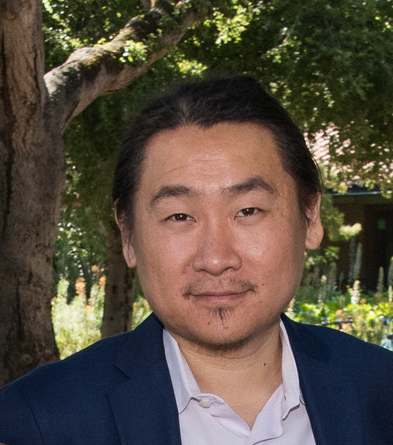
Sixiang Wang is an Associate Professor in the UCLA Department of Asian Languages and Cultures. As a historian of Chosŏn Korea and early modern East Asia, his research interests also include comparative perspectives on early modern empire, the history of science and knowledge, and issues of language and writing in Korea’s cultural and political history. His book, Boundless Winds of Empire, concerns Korean diplomacy with Ming empire in the fifteenth and sixteenth centuries. It underscores how Korean ritual and literary practices produced diplomatic norms, political concepts, and ideals of sovereignty in the construction of a regional imperial order.
